
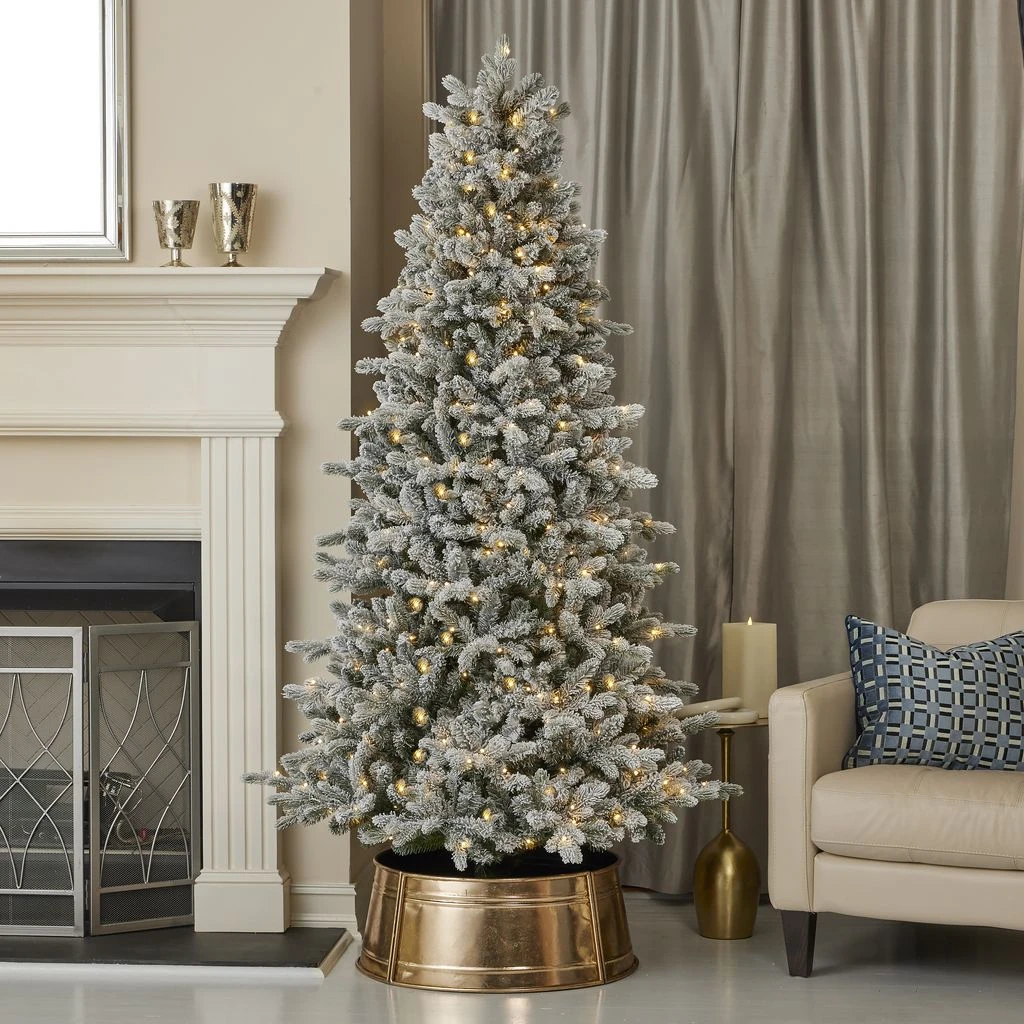
Christmas tree lights are the foundation of a beautifully decorated tree. Before the ribbon, ornaments, picks, florals, and finishing details are added, the lights create the glow that brings everything together. A well-lit tree feels warm, dimensional, and full from every angle, while a rushed lighting job can leave dark spots that are difficult to fix once the decorating begins.
At Decorator’s Warehouse, we always recommend thinking of lights as the first layer of your tree design. Whether you love a classic warm white glow, a colorful nostalgic look, or a designer-style tree filled with sparkle and depth, the way you place your Christmas tree lights makes all the difference. With the right technique and the right style of lights, your tree can look fuller, brighter, and more professionally finished.
Below, we’ll walk through how to put lights on a Christmas tree, how many lights you may need, how to create depth with cluster lights, and how to avoid the most common lighting mistakes.
Start With the Right Christmas Tree Lights
Before you begin wrapping your tree, choose lights that match the look and feel of your holiday design. Warm white Christmas tree lights are a timeless favorite because they create a cozy, golden glow that works beautifully with traditional, rustic, elegant, and neutral Christmas decor. Pure white or cool white lights can feel crisp and icy, making them a lovely choice for winter wonderland themes, flocked trees, silver ornaments, or modern holiday designs.
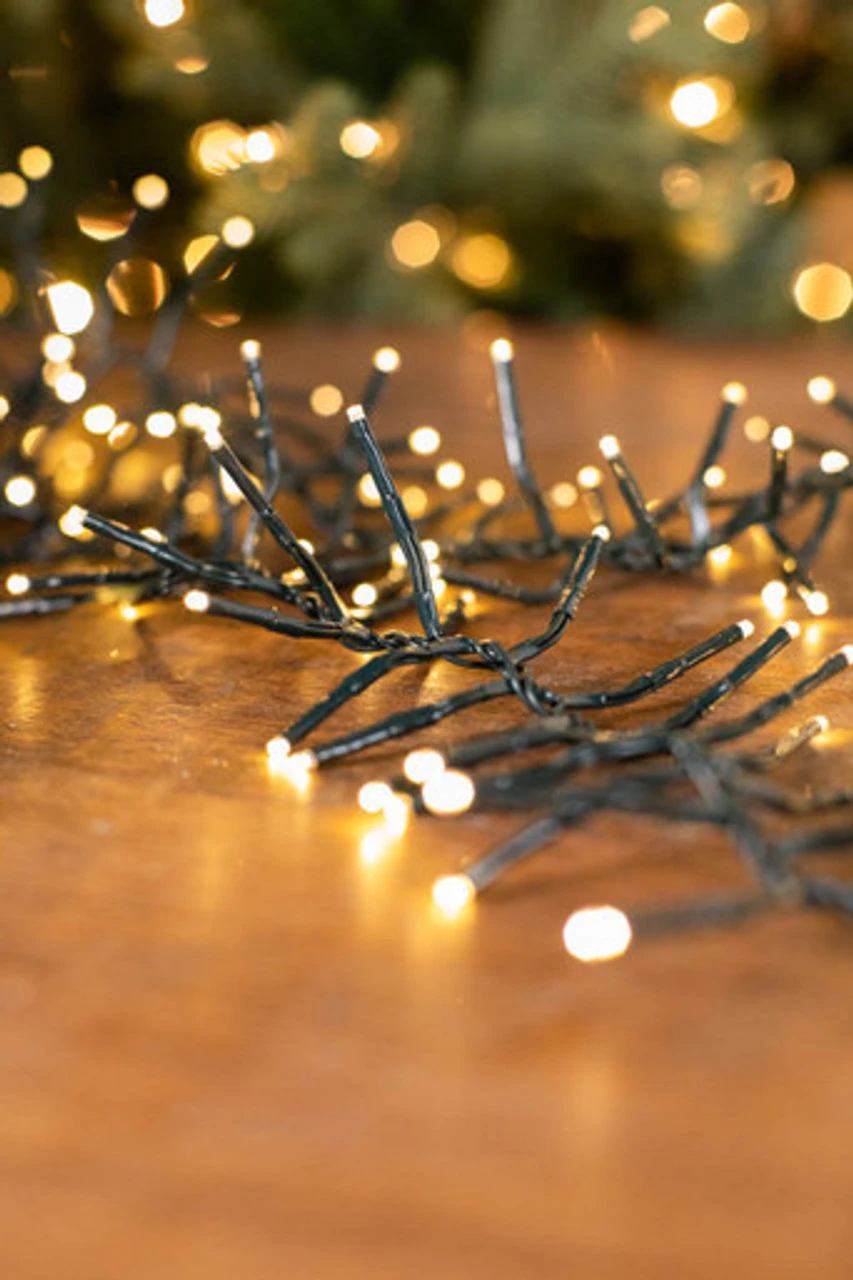
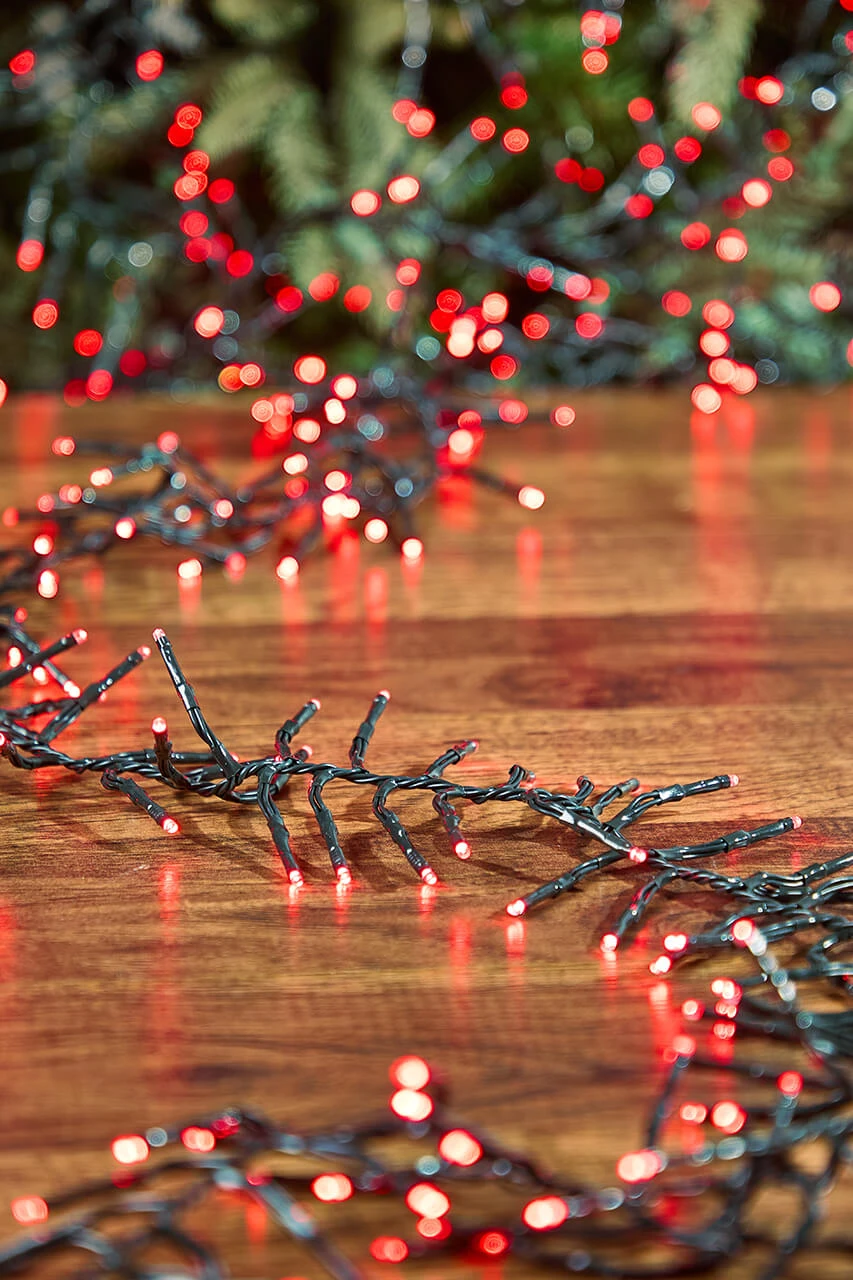
Multicolor Christmas tree lights bring a cheerful, nostalgic feeling to the tree and pair especially well with playful ornaments, vintage-inspired decor, gingerbread themes, or family trees filled with collected pieces. If you want a more dramatic designer effect, cluster lights are one of the best options because they place many more bulbs closer together, creating a brighter and fuller glow.
You can shop a wide range of Christmas tree lights right here at Decorator’s Warehouse, including warm white lights, multicolor lights, cluster lights, compact lights, and specialty styles for layered holiday decorating.
How Many Lights Do You Need for a Christmas Tree?
A helpful general rule is to use at least 100 lights per foot of tree height for a soft, traditional glow. For a fuller designer look, especially if your tree is dense or heavily decorated, you may want 150 to 200 lights per foot.
For example, a 7.5-foot tree usually looks best with at least 750 lights, but a more luxurious tree may use 1,000 to 1,500 lights or more. If you are using cluster lights, the bulb count is often much higher per strand, which helps create that professional, radiant finish without needing as many separate strands.
The fullness of your tree also matters. A slim tree may need fewer lights than a wide, full tree. A flocked tree may need slightly more lighting because the white branches can soften the glow. If your tree is placed in a bright room or near large windows, adding more lights can help the tree hold its sparkle during the day as well as at night.
Check Your Lights Before You Begin
Before placing any lights on the tree, plug each strand in and check that it works properly. This simple step can save you a lot of frustration later. Look for burned-out bulbs, damaged wires, loose connections, or sections that are not lighting evenly.
If you are using multiple strands, make sure they are compatible and check the manufacturer’s instructions for how many sets can be connected end to end. LED Christmas tree lights are a popular choice because they are energy efficient, long lasting, and often allow for more connected strands than traditional incandescent lights.
It is also helpful to loosely untangle your strands before you start. You do not need to perfectly straighten every inch, but removing knots and twists will make the process much smoother and help the lights sit more naturally on the branches.
Start at the Bottom of the Tree
For most Christmas trees, the easiest method is to begin at the bottom near the trunk and work upward. Plug in your first strand before you start so you can see the light placement as you go. This lets you spot gaps immediately instead of discovering them after the entire tree is finished.
Begin close to the trunk, then work your way outward along the branch. Instead of simply wrapping lights around the outside of the tree, weave them in and out from the trunk to the tips of the branches. This creates a more dimensional glow and prevents the tree from looking flat. Move around the tree in sections, gently placing the lights so they follow the natural shape of the branches. The goal is not to pull the strand tight. Let the lights rest softly on the branches so they look intentional and evenly distributed.
Here's a pro tip for you, too. As you work, use the greenery of the tree, the branch tips, to secure the lights in place. This will help hold the lights where you position them and will keep them in place while you continue with your decorating.
Use the In-and-Out Method for a Fuller Look
One of the best ways to put lights on a Christmas tree is to use the in-and-out method. Start near the trunk, bring the lights out toward the end of a branch, then guide them back toward the center before moving to the next branch.
This technique creates glow throughout the entire tree, not just around the outside edge. It also helps the tree look fuller because the lights illuminate the inner branches and add visual depth. When ornaments and ribbon are added later, the light shines through the layers instead of sitting behind them.
The in-and-out method takes a little more time, but it creates a much more polished result. It is especially helpful for artificial Christmas trees because it allows you to highlight the fullness and texture of each branch.
Work in Vertical Sections
Many people wrap Christmas tree lights around the tree in a circular motion, but working in vertical sections can give you more control. Imagine the tree divided into several tall panels. Light one panel from bottom to top, then move to the next.
This method helps you avoid uneven spacing, especially on larger trees. It also makes it easier to adjust one section without disturbing the rest of the tree. If the tree is placed against a wall, you can focus more lights on the visible front and sides while still adding enough glow to the back for balance.
Vertical lighting also works well if you decorate with ribbon cascading down the tree. The lights follow the same general movement, helping the finished design feel cohesive and layered.
Create Depth With Cluster Lights
Cluster lights are one of our favorite ways to create a fuller, more designer-inspired Christmas tree. Unlike standard string lights, cluster lights feature a much higher concentration of bulbs along the strand. This creates a lush, sparkling effect that fills the tree with light from the inside out.
When using cluster lights, start close to the trunk and weave the strand through the branches just as you would with traditional Christmas tree lights. Because cluster lights have so many bulbs, they are especially effective for creating depth near the center of the tree. Tuck sections of the strand slightly deeper into the branches, then bring other sections closer to the tips. This variation helps create layers of brightness.
Cluster lights are beautiful on their own, but they also work wonderfully as a base layer. For a truly dimensional tree, use warm white cluster lights throughout the interior branches, then add a secondary accent light closer to the outer branches. This could be a specialty light, a soft twinkle strand, or a small number of larger bulbs for a little extra interest.
The result is a tree that glows from within and sparkles across the surface. This layered lighting effect is one of the easiest ways to make a tree look more expensive, more intentional, and more complete.
Layer Different Types of Lights
If you want a tree with extra personality, consider layering more than one type of light. For example, warm white LED Christmas tree lights can create the base glow, while larger C9-style bulbs add a vintage touch. Micro lights can add delicate sparkle to specific areas, while cluster lights can provide fullness and brightness throughout the tree.
When layering lights, start with the most foundational strand first. This is usually your main warm white, classic white, or multicolor strand. Place those lights deep into the tree and across the major branches. Then add specialty lights more sparingly, focusing on the outer branches or areas where you want extra visual interest.
The key is balance. You do not want every light style to compete for attention. Think of your main lights as the glow and your specialty lights as the sparkle.
Step Back Often
As you work, step back every few minutes and look at the tree from different angles. This is one of the simplest ways to catch dark spots before the tree is fully decorated. Turn off some of the surrounding room lights if needed so you can see the glow more clearly.
Look for areas that feel too bright, too dim, or uneven. If one section has too many lights clustered together, gently spread them out. If another section feels dark, tuck in a little more of the strand or adjust the bulbs so they face outward.
Once ornaments and ribbon are added, it becomes much harder to fix the lighting. Taking time during this step will make the rest of the decorating process much easier.
Hide Cords and Connections
A beautifully lit tree should feel effortless, even when there is plenty of planning behind it. As you place your Christmas tree lights, tuck cords close to the branches and guide plugs toward the trunk whenever possible. This keeps visible wires from distracting from the finished look.
If your lights have green cords, they will usually blend well with green trees. Clear cords can be a lovely choice for flocked, white, or lightly colored trees. Black cords may work best for darker trees or specific display styles. Try to position strand connections deeper inside the tree so they are hidden by branches, ribbon, or ornaments. Once your tree is fully decorated, the lights should feel like part of the tree rather than something sitting on top of it.
Add Decor After the Lights Are Finished
Always finish lighting your tree before adding ribbon, ornaments, stems, picks, or garland. Lights are the base layer, and they need space to move through the tree. Once the lights are evenly placed, you can begin adding larger decorative elements.
Ribbon looks best when they are tucked into the tree in soft waves, allowing the lights to shine around them. Ornaments can then be layered at different depths, with larger ornaments placed deeper inside and smaller or more detailed ornaments closer to the tips.
When your lighting is strong, every decorative layer looks better. The glow highlights textures, reflects off ornaments, and helps the entire tree feel warm and inviting.
Common Christmas Tree Lighting Mistakes to Avoid
One common mistake is using too few lights. A tree may look fine in daylight, but once the room is dim, sparse lighting can make it feel unfinished. If you are unsure, it is usually better to add a little more light than to stop too soon.
Another mistake is only wrapping lights around the outer edge of the tree. This can make the tree look flat, even if the outer branches are bright. Weaving lights toward the trunk creates a richer, more dimensional effect.
It is also easy to forget to check each strand before placing it on the tree. Always test your lights first. Finally, avoid pulling strands too tightly. Christmas tree lights should follow the natural movement of the branches so the finished look feels soft and full.
Add Lights to Your Tree With Ease
Learning how to put lights on the Christmas tree is one of the best ways to elevate your holiday decorating. Start with quality Christmas tree lights, work slowly from the inside out, and focus on creating layers of glow throughout the branches.
For a classic look, warm white lights are always beautiful. For a playful family tree, multicolor lights add charm and nostalgia. For a designer-style tree with extra brilliance, cluster lights are a wonderful choice because they create depth, fullness, and sparkle all at once.
With the right lights and a thoughtful approach, your Christmas tree can become the glowing centerpiece of your holiday home!
Christmas Tree Lights FAQ
How do you put lights on a Christmas tree?
The best way to put lights on a Christmas tree is to start at the bottom and work upward, weaving the lights in and out from the trunk to the branch tips. This creates depth and helps the tree glow from within instead of only lighting the outer branches.
How many Christmas tree lights do I need?
A good starting point is 100 lights per foot of tree height. For a fuller designer look, use 150 to 200 lights per foot. Cluster lights may have a higher bulb count per strand, making them a great option for a brighter, more luxurious tree.
Are cluster lights good for Christmas trees?
Yes, cluster lights are excellent for Christmas trees because they place more bulbs close together, creating a fuller and more radiant glow. They are especially helpful for adding depth and making the tree look professionally decorated.
Should I put Christmas tree lights on before ornaments?
Yes, Christmas tree lights should always go on before ornaments, ribbon, garland, picks, or stems. Lighting is the foundation of the tree, and it is much easier to place lights evenly before adding decorative layers.
What color Christmas tree lights are best?
Warm white Christmas tree lights are the most versatile and create a cozy, classic glow. Cool white lights work well for icy or modern themes, while multicolor lights are perfect for nostalgic, playful, or family-style Christmas trees.
How do I make my Christmas tree lights look fuller?
To make Christmas tree lights look fuller, weave them deep into the tree near the trunk, then bring them out toward the branch tips. Use cluster lights for extra brightness and step back often to check for dark spots as you decorate.