
For many families, ceramic Christmas trees are more than holiday decorations — they are cherished keepsakes brought out year after year, carrying memories of past holidays, beloved homes, and family traditions. Whether your tree once belonged to a grandparent or has been part of your celebrations for decades, it holds a special place within your heirloom Christmas decor.
Caring for these pieces thoughtfully ensures they remain beautiful and meaningful for generations to come. With the right approach, ceramic Christmas trees can continue to glow each holiday season, connecting past celebrations to present ones.
What Are Ceramic Christmas Trees?
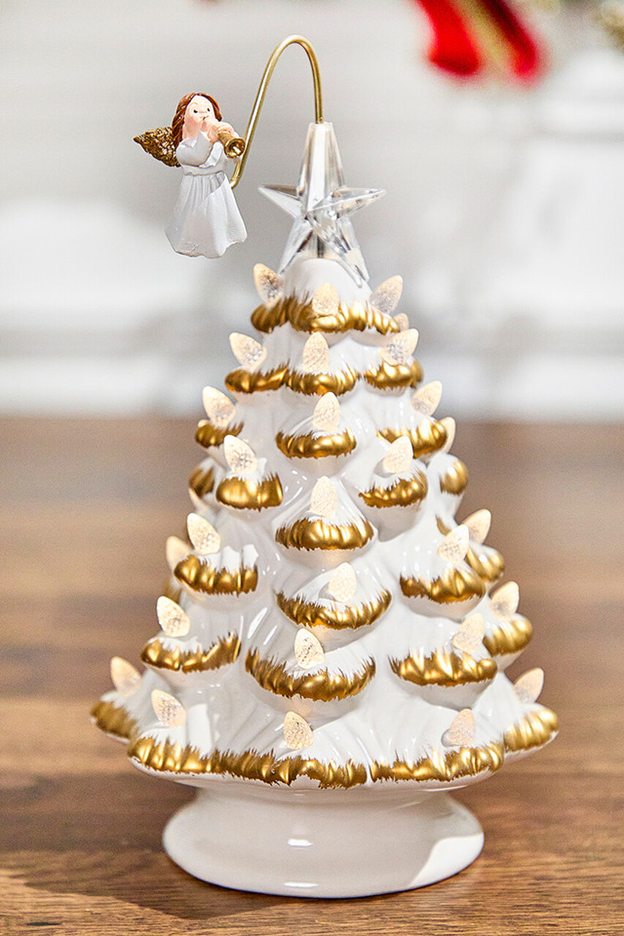
Ceramic Christmas trees are decorative holiday trees made from glazed ceramic, typically featuring small plastic bulbs and an internal light source. Originally popular in the mid-20th century, they became staples of vintage Christmas decor and are now commonly passed down as heirloom Christmas decorations due to their durability and sentimental value.
Are Ceramic Christmas Trees Considered Heirloom Christmas Decor?
Yes, ceramic trees are often considered heirloom Christmas decor because they are durable, reusable, and deeply connected to family traditions. Many are passed down through generations, becoming sentimental keepsakes rather than seasonal decorations meant to be replaced. Their value often lies less in rarity and more in the memories they carry.
Why Ceramic Christmas Trees Become Family Heirlooms
Ceramic trees rose to popularity during the mid-20th century, a time when holiday décor was designed to last. Many were hand-painted or handmade from molds, fired in kilns, and carefully assembled. Unlike disposable seasonal decorations, these trees were built for repeated use, which naturally allowed them to become part of family traditions.
Over time, they earned a place among treasured vintage holiday decorations, often associated with specific homes, people, or moments. With proper care, a ceramic tree becomes more than décor — it becomes a physical link to holidays past.
Understanding the Materials in Heirloom Ceramic Christmas Trees
Heirloom Christmas trees are crafted from several materials, each requiring gentle care. The ceramic body is typically finished with a glazed coating that provides color and shine but can chip or crack if mishandled or exposed to sudden temperature changes. Many trees also feature small plastic light bulbs or “pegs” that may become brittle with age.
Inside the tree, older wiring can weaken over time, especially in vintage pieces. Understanding these materials helps explain why careful handling, thoughtful cleaning, and proper storage are essential for preserving heirloom Christmas decor.
How Do You Clean Heirloom Ceramic Christmas Trees?
Cleaning heirloom ceramic Christmas trees should always be done gently. Regular dusting with a soft microfiber cloth or feather duster is usually enough to maintain their appearance. Dust often collects around branches and bulb holes, where compressed air can help remove buildup without applying pressure.
For deeper cleaning, a slightly damp cloth with mild soap may be used sparingly on the ceramic surface. It’s important to avoid soaking the tree or allowing moisture to enter bulb holes or electrical components. Harsh chemicals and abrasive tools should never be used, as they can permanently damage the glaze. In many cases, a bit of age-related patina adds charm and authenticity to vintage Christmas decor, making over-cleaning unnecessary.
Caring for Lights and Bulbs on Heirloom Trees
The soft glow of ceramic Christmas trees is part of their enduring appeal, but lighting components often require extra attention. Before displaying a vintage tree each season, inspect the cord and plug for signs of wear such as stiffness, cracking, or exposed wiring. Testing the lights ahead of time helps prevent issues once the tree is on display.
When bulbs are missing or damaged, replacements should closely match the original style. Some owners choose LED bulbs because they produce less heat, which can be gentler on older ceramics and wiring. If original bulbs are removed, storing them safely allows you to preserve those authentic elements while still enjoying the tree safely each year.
How Should You Store Ceramic Christmas Trees?
Ceramic Christmas trees should be stored in a cool, dry place using padded containers or their original boxes. Moisture, extreme temperatures, and direct sunlight can all cause long-term damage, including fading, cracking, or glaze deterioration.
If the original box is no longer usable, a sturdy storage bin lined with foam or bubble wrap works well. The ceramic body should be wrapped separately from any toppers or stars, and bulbs should be removed before storage to reduce stress on the ceramic branches. Clear labeling helps ensure careful handling year after year, preserving your heirloom Christmas decorations for future generations.
Can You Repair Vintage Ceramic Christmas Trees?
Minor chips on vintage ceramic Christmas trees can sometimes be touched up with ceramic-safe paint, though many collectors prefer to leave small imperfections intact as part of the tree’s history. These signs of age often enhance the character of heirloom holiday decor rather than detract from it.
Structural cracks, significant glaze damage, or electrical problems should always be handled by a professional. Attempting major repairs at home can compromise both safety and the long-term integrity of heirloom ceramic Christmas trees.
How Long Do Ceramic Christmas Trees Last?
With proper care, ceramic Christmas trees can last for decades and often become cherished family heirlooms. Gentle cleaning, careful handling, safe lighting practices, and proper storage all help preserve both their physical beauty and sentimental significance over time.
Best Practices for Caring for Heirloom Ceramic Christmas Trees
- Handle the tree with clean, dry hands
- Dust regularly instead of washing whenever possible
- Inspect wiring and plugs before each holiday season
- Store bulbs separately to reduce stress on the ceramic
- Avoid extreme temperatures and humidity
- Preserve original components whenever possible
Passing Ceramic Christmas Trees Down Through Generations
Passing down ceramic Christmas trees is as much about preserving stories as it is about protecting objects. Writing down the history of a tree — who owned it first, where it was displayed, and why it mattered — adds depth and meaning for future generations.
By involving children in decorating and storage rituals, you transform a piece of vintage Christmas decor into a living tradition. Over time, the tree becomes a symbol of continuity, connecting holidays past with those yet to come.
Frequently Asked Questions About Ceramic Christmas Trees
Are ceramic Christmas trees valuable?
Ceramic Christmas trees are often more valuable sentimentally than monetarily, though vintage or handmade pieces may increase in value depending on age, condition, and craftsmanship.
Can ceramic Christmas trees be used every year?
Yes, ceramic Christmas trees are designed for repeated seasonal use, provided the wiring and bulbs are in safe working condition.
What makes ceramic Christmas trees vintage?
Ceramic Christmas trees are generally considered vintage if they were made 20–30 years ago or earlier, particularly those produced during the mid-20th-century holiday décor boom.
Keeping Heirloom Christmas Decor Alive
In a world of fast décor and fleeting trends, heirloom Christmas decor offers something lasting. Ceramic Christmas trees ground holiday celebrations in memory, tradition, and meaning. With thoughtful care, these pieces can continue lighting up homes and hearts for generations, ensuring that the warmth they bring each season never fades.